Published on September 2, 2026
Updated on October 19, 2026
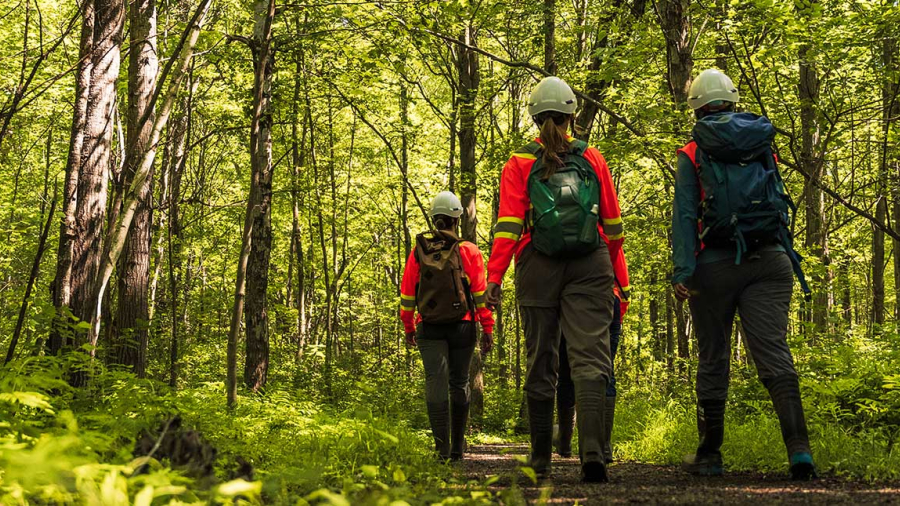
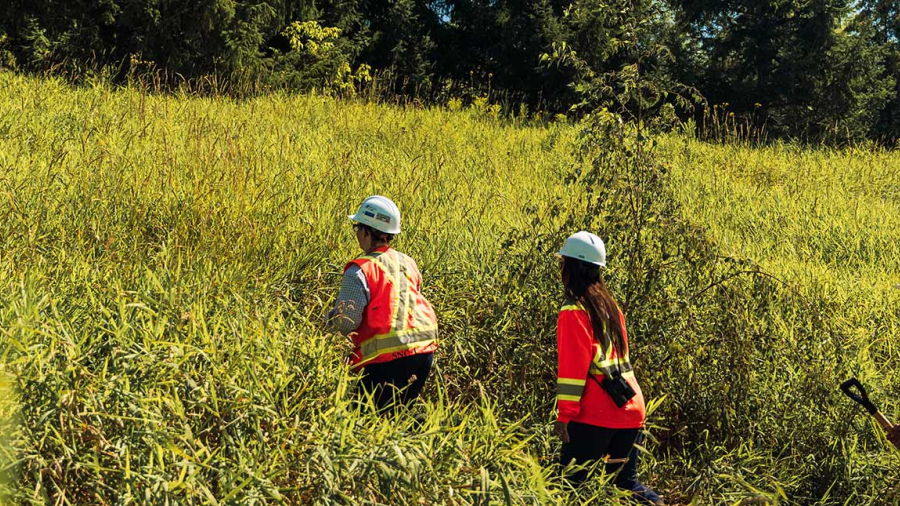
Each step toward determining a final route for our high-speed train requires thorough and thoughtful research about the landscapes our railway might cross. Across the forests, wetlands, and other natural areas in the study corridor, we are implementing non-invasive methods, notably to observe how animals move through their habitats.
This work is part of a broader program of environmental studies examining soils, forests, wetlands, lakes and rivers between Toronto and Québec City. These observations help our teams and qualified professional partners understand existing environmental conditions and local ecosystems, informing decisions on the final railway alignment while minimizing impacts.
Video
Why study wildlife corridors and habitat connectivity?
Before a final route can be selected for Canada’s high-speed rail, it's important to understand how wildlife, including amphibians, reptiles, bats, birds and mammals, uses the territory today.
Québec and Ontario’s ecosystems include wetlands, waterways and forested areas which are home to diverse flora and fauna. Running through these landscapes are wildlife corridors, which is the term used to describe the areas that connect animal and plant habitats. Habitat connectivity refers to how easily the animals can move between natural areas to access essentials such as food, shelter, breeding grounds, and migration routes. We know that these habitats and corridors are necessary for maintaining biodiversity and supporting the daily movements wildlife rely on to survive and thrive.
Our field studies aim, among other things, to better understand how wildlife uses the territory and where habitat connectivity is most important. This information will help us build a clear picture of existing environmental conditions and will inform the project's impact assessment, led by the Impact Assessment Agency of Canada (IAAC), an independent federal body. By identifying key movement corridors and sensitive areas, we can also evaluate measures that help support the safe movement of wildlife, both in their daily activities and during seasonal migrations.
How do we study wildlife movement?
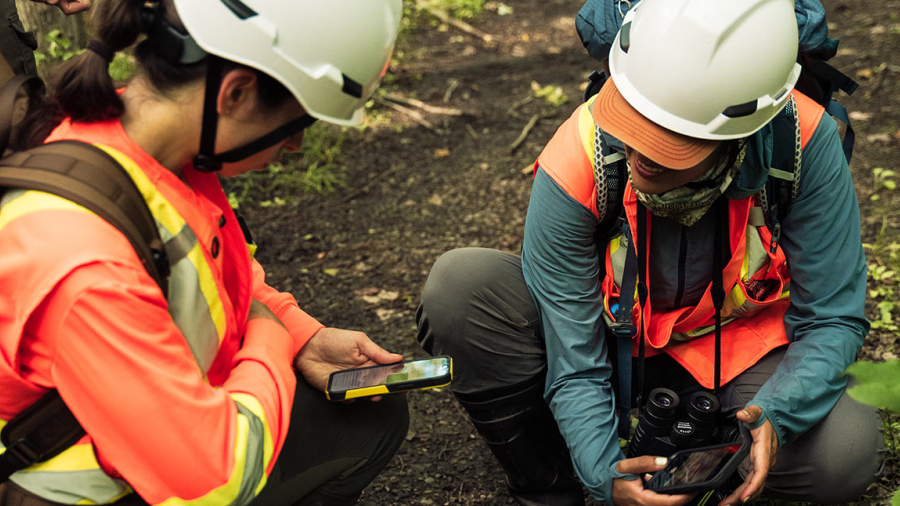
Respect for wildlife and local communities is an important part of our work. All studies are conducted using non-intrusive methods designed to minimize disturbance to animals and their habitats. For example, wildlife cameras allow animals to be observed without disturbing their natural behaviours. Their use, combined with the observation and identification of wildlife tracks and paw prints, helps our qualified partner teams, led by professional biologists, understand where and when animals cross the landscape. We also undertake field studies where biologists watch certain areas during key movement periods to observe wildlife movement.
Where appropriate, Indigenous knowledge and participation can also help build a fuller understanding of ecosystems, wildlife movement, and how different parts of the landscape are connected.
For the most part, these site visits and equipment installation take place on public lands. If access is needed to private property, it is done with the owner’s consent, and no cameras aimed at private property are installed.
Route planning and the environment
Ecosystems are healthier when habitats are linked rather than fragmented. We understand that train infrastructure can create barriers and interruptions in wildlife corridors and that high-speed rail, specifically, requires fenced, grade-separated tracks to ensure both human and animal safety. Therefore, careful route planning is essential to protecting habitat connectivity and supporting the responsible integration of a railway into natural environments.
Using data collected from our environmental studies and research from specialized sources, we work first to avoid impacts whenever possible. When impacts cannot be avoided, we develop measures to mitigate them, such as wildlife crossings, green corridors, culverts, and bridges. Where residual impacts remain, compensation measures may be implemented in accordance with applicable environmental legislation. Monitoring programs may also be implemented throughout the life of the project to assess environmental conditions, verify that mitigation and compensation measures are achieving their intended outcomes, and inform adjustments where needed. Across every landscape of our study corridor, we are working to reduce impacts on people, ecosystems, and biodiversity while creating lasting benefits for communities.
Share this blog post
Subscribe to the blog RSS feed