Published on September 22, 2026
Every solid structure must have a solid foundation, from barns to skyscrapers to high-speed trains. Under our feet, the ground can be made up of soil, rock, water, sand or other substances. Before building major infrastructure, we need to understand what is below the surface.
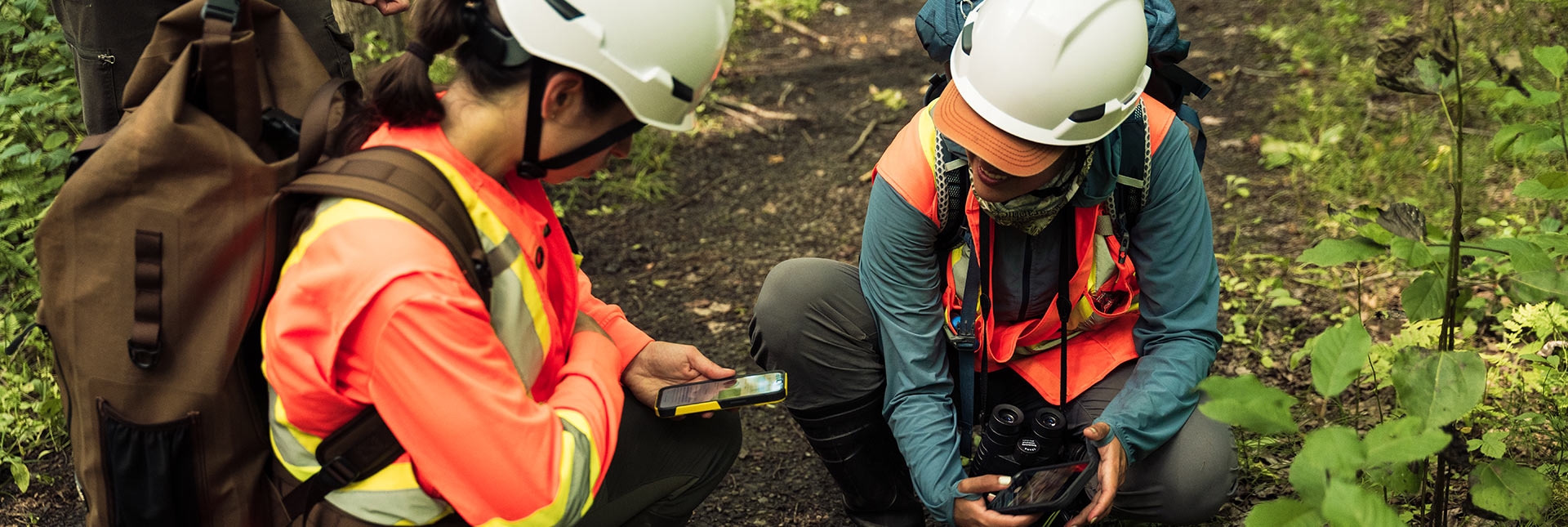
The ground’s top layer, made up of soil and subsurface materials, provides important clues as to what lies beneath. As part of our pre-construction research, Alto’s engineers are conducting geotechnical studies to determine the soil and subsurface conditions of the land Canada’s first high-speed rail may cross.
Why Studying Soil and Subsurface Matters
Geotechnical surveys provide important information about the conditions below ground, and our study locations are selected to capture a representative range of conditions across the corridor under study in both urban and rural areas.
Alto’s engineers collect information on soil type, groundwater, bedrock depth, slope stability, drainage, contamination risks, and constructability, which will help us refine route options, reduce risks, and support smarter project planning. The information gathered, combined with existing data, can also help identify technical challenges early, improve cost estimates, and reduce unexpected issues during construction.
Here’s how our on-site crews collect samples: they begin by placing temporary, specialized equipment at selected sites. Most of the time, they drill small diameter, vertical “boreholes” into the ground to collect soil and rock samples, which are analyzed to understand ground strength and stability. From there, some boreholes might become “observation wells” through the installation of additional equipment used to monitor and observe underground characteristics including water quality, water level, and seasonal fluctuations.
While some geotechnical work may cause temporary, localized disturbances, Alto carefully plans each activity to avoid or minimize impacts and protect the surrounding environment. Any affected area will be restored as closely as possible to its original state. Furthermore, surveys are only conducted where the necessary permissions and authorizations have been obtained, and all field work is carried out in accordance with applicable regulations, permits, and industry standards.
Building A Strong Foundation for High-Speed Rail
High-speed rail requires a strong foundation, and understanding ground conditions is a key part of building infrastructure that is safe, durable, and reliable. Depending on the study results and the conditions found underground, the way we design and build infrastructure may change. Elements like soft soils, shallow bedrock, groundwater, slopes, and drainage patterns are important factors when planning where to place tracks, bridges, tunnels, and stations.
These early studies help Alto make smarter design decisions, reduce potential construction challenges, and protect the natural environment wherever possible. While much of this work happens out of sight, understanding what lies beneath the surface is an important first step in planning safe, reliable high-speed rail infrastructure.
Share this blog post
Subscribe to the blog RSS feed