Published on August 5, 2026
Updated on September 14, 2026
Fresh water is one of our country’s most important assets. Canada holds approximately one fifth of the world’s fresh surface water and have more inland water than any other country on the planet. Keeping these sources of water clean and protecting our lakes, rivers and other waterways is becoming more essential every day.
Along the high-speed rail study corridor between Toronto and Québec City are the St Lawrence River and Seaway, the Ottawa river, wetlands, streams and other natural systems that play a vital role in our ecosystems and communities. To responsibly design a railway, we need to understand the environments through which it will operate, including local water systems and aquatic habitats, before final route decisions are made.
Studying Surface Water and Aquatic Habitats
Surface water is the term used for any waterway that is above ground, including streams, rivers, lakes, wetlands and constructed reservoirs and canals. Canada’s surface water is part of the broader ecosystem that supports fish, wildlife, vegetation and people.
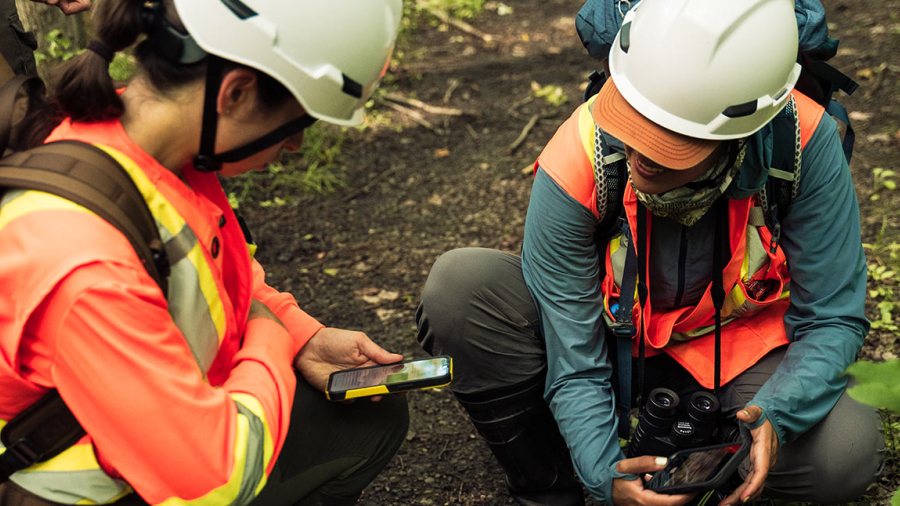
So, what is Alto studying, exactly? Our biologists, engineers, and geomorphologists study, fish (e.g. black sucker, walleye, largemouth bass), mussels, and aquatic habitats, wetlands and environmental conditions to be considered during the project development. We are also studying how rivers and streams move through the landscape (known as fluvial geomorphology).
Waterways do much more than support wildlife. They provide drinking water for communities, support agriculture, create opportunities for recreation, and play an important role in helping manage floods. Taking the time to understand these systems now helps inform better design decisions later.
Getting to Know the Waterways Along the Corridor
Our water studies involve documenting the current state of water levels and flow, for example, as well as surrounding vegetation and soil. We go deeper (pun intended) with processes like bathymetry surveys, which measure and map the depth and shape of the underwater terrain of lakes, rivers, and reservoirs along the study corridor. In certain cases, drone and airborne LiDAR (Light Detection and Ranging) surveys can also help document water and soil conditions in areas surrounding watercourses and fish habitats.
Also, Indigenous communities are engaged in the design and implementation of environmental studies conducted along the corridor. Their knowledge, perspectives, and participation help strengthen our understanding of local waterways, aquatic habitats, and environmental conditions.
These studies will help establish a picture of what conditions look like today before construction begins. From there, we can identify sensitive waterways and habitats to determine how their conditions may change as a result of the project. This data will inform final route refinement, to help us avoid potential negative impacts whenever possible, or to otherwise limit them.
Preserving Natural Water Movement
When needed, the railway design will include measures like bridges and culverts to preserve natural flow regimes, aquatic habitats, and aquatic species. We will also factor in measures for erosion control, construction planning, and restoration.
When it comes to lakes, rivers, streams, and wetlands, the goal is to avoid sensitive features wherever possible. Where impacts cannot be fully avoided, we work to mitigate impacts through design and construction measures, and compensate for residual effects where required. The project is also subject to the federal impact assessment process, which considers natural and human environments.
Protecting our fresh water through responsible infrastructure planning begins with understanding how local water systems and aquatic habitats work. By carrying out these studies early, we can make informed decisions to help safeguard the waterways that support communities, wildlife, and ecosystems across the corridor, both during construction and throughout railway operations.
Share this blog post
Subscribe to the blog RSS feed