Understanding fish and freshwater mussels studies: Key words and definitions
Fish
Fish are aquatic vertebrate animals equipped with fins and gills. Under the Fisheries Act, the term fish may also refer to any aquatic animal that depends on aquatic environments and lives there for all or part of its life cycle.
Fish habitat
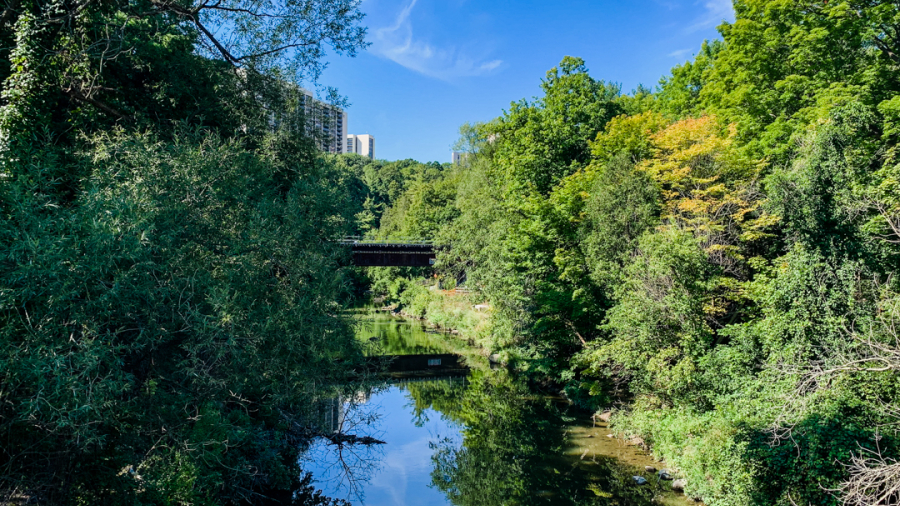
Areas that are frequented by fish or on which fish depend for spawning, growth, feeding, and shelter. These may include ditches, channels, wetlands, rivers, lakes, and even dry areas during part of the year. The black sucker, walleye, and largemouth bass are examples of fish species present in the Alto study area.
Freshwater mussels
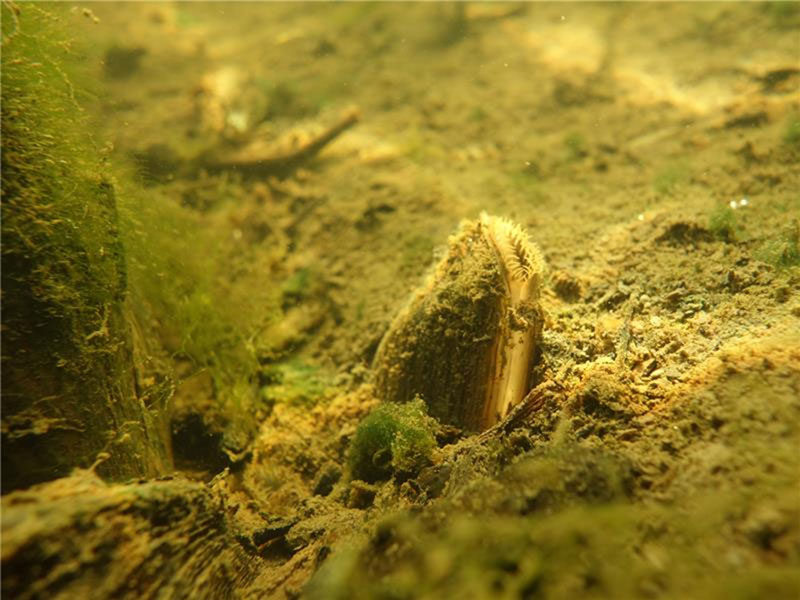
Freshwater mussels (mulettes) are freshwater bivalves whose role in rivers and streams is critical due to their filtration capacity. Their shells are elongated and asymmetrical. There are approximately twenty freshwater mussel species in Quebec, some of which are listed as threatened or vulnerable. Freshwater mussel species that may be present within Alto’s study area include the Black Sandshell (Ligumia recta), the Elktoe (Alasmidonta marginata), and the Flutedshell (Lasmigona costata).
Why study fish and mussels?
Freshwater mussels are bivalves whose filtration role is essential to the health of waterways. Characterizing their presence and habitat helps understand their distribution and minimize the impacts of the project on their populations.
Fish also play essential roles in the stability of aquatic ecosystems. They participate in the regulation of food webs, in the recycling of nutrients, and in maintaining water quality. They also represent a resource for human consumption. The characterization of fish habitat and identification of species present will enable better protection for them.

What do fish and mussel studies involve?
During the characterization of waterways, and often at the same time as fish habitat characterizations and fish sampling, trained biologists will establish active searches of the substrate to identify and characterize the freshwater mussels present. These are counted according to a transect protocol or an active search period. An estimated density will be established and different species will be identified.
Trained biologists will characterize fish habitats, notably, reproduction zones as well as rearing and feeding habitats using the different biophysical traits of aquatic waterways.
During waterway characterization, biologists will sample fish and identify their species and traits such as size and life stage.
Drone and airborne LiDAR (Light Detection and Ranging) surveys can also help document fish habitats.