Published on September 1, 2026
From wetlands to arctic tundra, Canada is one of the most ecologically diverse countries in the world. These varied landscapes provide habitats for animal and plant species of all shapes and sizes. At Alto, as we work to define the path that our high-speed train will take, we are taking great care to consider the importance of these habitats for the continued health of our ecosystems.
The wide area we are currently researching, which we call the study corridor, is more than land on a map. The wildlife habitats that run through it are not just “green spaces”; they are the places where plants, animals, birds, fish, insects, and other species feed, nest, migrate, reproduce, and survive.
Before our high-speed rail route is finalized, we need to understand how to best protect the land and the life that depends on it.
Sensitive habitats, species at risk and the train
Through our field studies and research from specialized sources, we’ve been learning about and identifying wildlife habitats along the corridor. For some species, that may mean a wetland used for breeding. For others, it may be a forest edge, a shoreline, a stream, or a seasonal movement path.
We have also been placing special care on habitats that support species at risk, as well as species protected under Ontario and Québec regulations. Under Canada's Species at Risk Act, species at risk are those considered endangered, threatened, or of special concern because their populations or the habitats they depend on are under pressure. The goal is to study these environments and gather information early enough to help inform route planning from the outset.
We know that building a new railway can be disruptive to humans, animals and plants, but we intend to avoid or limit impacts as much as possible. That requires a lot of research, time out on the land, and following proper procedures, including the federal impact assessment process, which considers natural and human environments.
How We Study Species at Risk
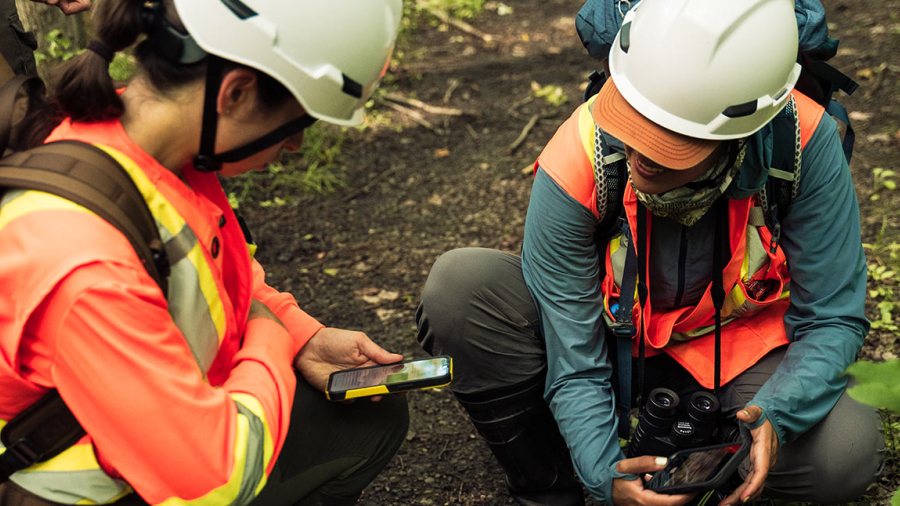
Qualified partner teams led by professional biologists are studying wildlife habitats and broader ecosystem conditions so that we can understand where species at risk live during all parts of their lifecycles. We use a variety of research methods such as call-playback surveys which help confirm the presence of at-risk bird species. Our turtle basking studies involve searching wetlands and waterbodies for “basking” turtles, such as the Spotted or Spiny Softshell, as they warm themselves during the spring and fall.
Meanwhile, our snake studies involve installing artificial cover objects that attract snakes, so that researchers can return later and carefully check underneath them. This well-established method helps detect species that normally spend much of their time hidden.
Field studies are an essential part of that work. Indigenous knowledge and participation can also contribute valuable insights that help build a fuller understanding of local ecosystems and the land. Rooted in generations of observing natural and cultural environments and using the land, Indigenous knowledge can help deepen our understanding of the territory and inform field studies and project planning.
Using Knowledge to Inform Route Planning
The information gathered through these studies helps create a baseline of current conditions along the study corridor. It allows Alto to refine design options and develop measures to avoid or mitigate impacts wherever possible.
Protecting biodiversity starts with understanding it, which is why we are learning about habitats and species at risk before route decisions are made. By identifying sensitive areas early, we can make more informed planning decisions and take better care of the plants, animals, and habitats that help make these ecosystems thrive.
To stay informed about the project’s progress:
Share this blog post
Subscribe to the blog RSS feed