Understanding birds field studies: Key words and definitions
Birds
Birds are warm-blooded, feathered vertebrates that lay eggs. This group includes waterfowls, herons, marsh birds, songbirds, shorebirds, diurnal raptors and owls.
Crepuscular birds
Crepuscular birds are breeding birds most easily seen near twilight. They include the insect-eating Common Nighthawk and the Eastern Whip-poor-will.
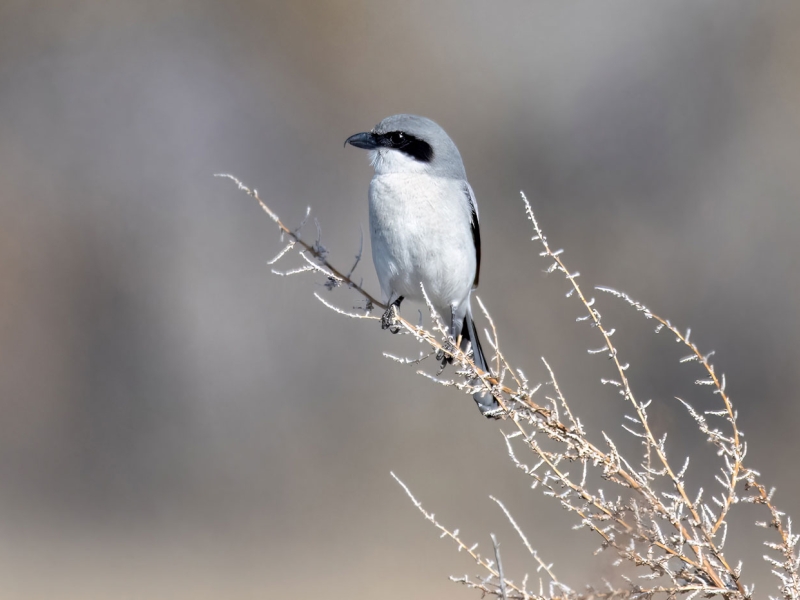
Loggerhead Shrikes
A bird that primarily dwells in a habitat composed of shrubs and short statured trees, that hunts and eats other birds.
Why study birds?
Birds are sensitive bioindicators of ecosystems. Their diversity and abundance directly reflect changes in habitat and the availability of food resources.
The field studies will enable Alto’s biologists to better understand the status of bird populations and the interactions between different groups. The findings will inform the Impact Assessment and help define measures to protect birds during the construction and operation of the new railway.
Video

What do bird studies involve?
Bird studies can involve multiple approaches, including:
- Conduct call‑playback surveys to confirm the presence of at‑risk bird species.
- Use autonomous recording units and have the data analyzed by avian wildlife experts.
- Carry out surveys to identify nests of birds of prey and other sensitive species.
- Establish listening stations across the full range of habitat mosaics within the study area to develop a comprehensive overview of avian wildlife.
Adapted protocols will target species at risk such as nightjars, Least Bittern and Loggerhead Shrike.