Published on August 25, 2026
Updated on September 14, 2026
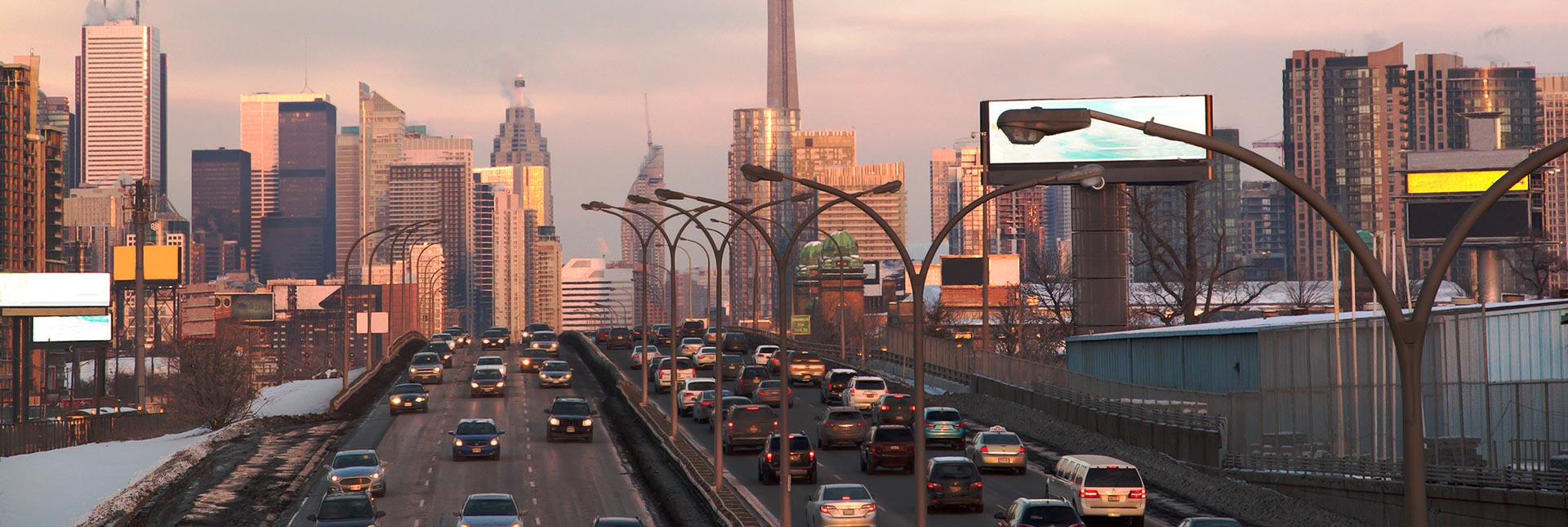
Highway 401 connects urban centres across southern Ontario and links to Québec’s highway network, forming a key transportation corridor between Toronto and Montréal. This existing infrastructure may seem like an obvious choice for a train route, and we are often asked why we are not considering building high-speed rail that follows the highway for its entire length rather than defining a new alignment.
Though it might seem like the obvious choice, high-speed rail has very specific requirements to run safely and efficiently.
Why Alto trains cannot follow the highway: track geometry
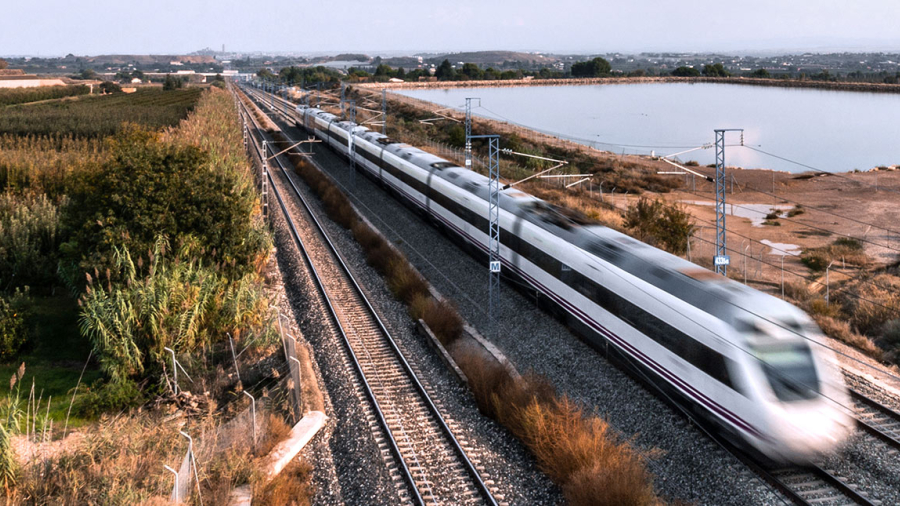
One of the first considerations for HSR is the track geometry, which defines how the rails are laid out both horizontally and vertically to ensure safe, smooth, and efficient train movement. To run a high-speed train at speeds reaching 300km/h, the track needs straighter sections and wider curves than highways, and there can be no level crossings.
Highways, including the 401, are full of ramps, interchanges, bridges, curves, and utilities. In some areas, being near this existing infrastructure may help reduce impacts, but for the most part, it would create new constraints.
Safety, Security and Land Use
High-speed trains are exactly what they sound like! Alto’s trains will be operating at speeds not yet seen in our country, and will be able to reduce travel time between cities significantly. To ensure the safety of the train and the surrounding areas, Alto’s HSR requires dedicated, fenced, and fully grade-separated tracks. The land surrounding highway 401 crosses through many smaller cities, towns, and developed areas and is followed by service roads. There is therefore insufficient space near the existing highway for high-speed rail infrastructure.
Testing the feasibility of a high-speed rail route
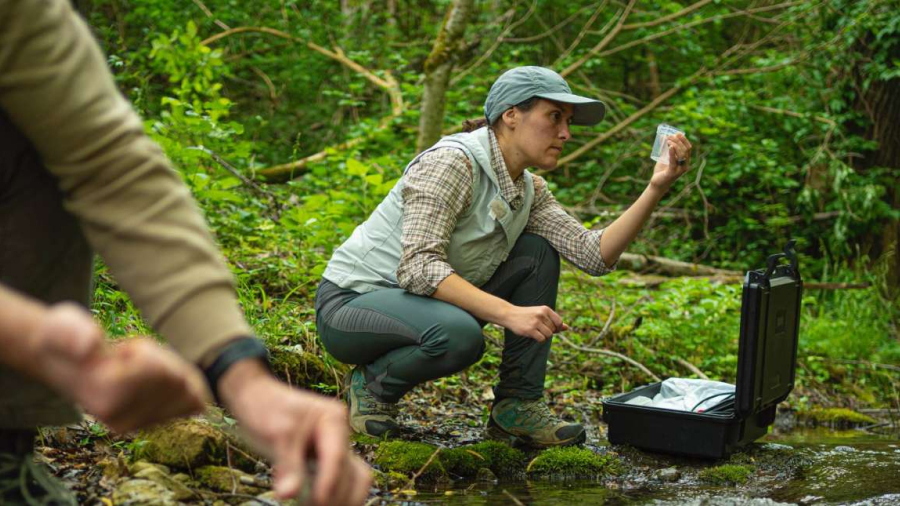
We are currently in the planning and development phase, which allows us to evaluate route options based on the full set of criteria needed to build a new high-speed rail network. This includes following existing corridors as much as possible, but only if they meet all necessary conditions.
Ultimately, we must ensure that the track can meet high-speed geometry requirements, support safe, fully grade-separated operations, and allow trains to maintain consistent speeds. This also includes examining the potential impacts on surrounding land, the environment, existing infrastructure, nearby communities, and how complex or costly construction would be in each location.
Following the 401, or any other transportation corridor, may seem like the simplest and most straightforward solution, however the final route must be determined based on technical, environmental, social and financial criteria to ensure safe, reliable service for all.
Share this blog post
Subscribe to the blog RSS feed