Published on April 14, 2026
Updated on October 16, 2026
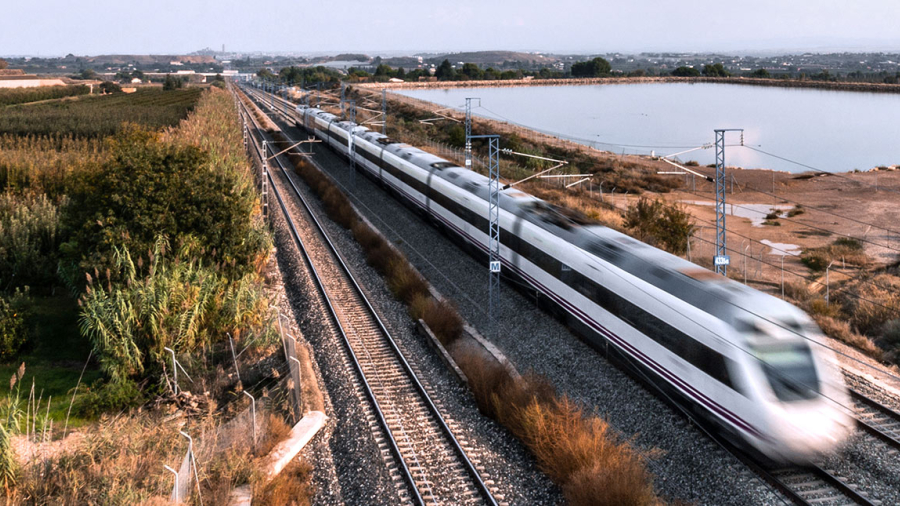
Alto’s high-speed rail project will be the first of its kind in Canada. When in operation, our trains will run at speeds reaching over 300km/h and are expected to reduce travel times between cities from Toronto to Québec City by nearly half when compared to other modes of transportation. To meet the highest safety standards, the high-speed rail network must be completely separated and fully fenced, so that no people, cars or animals can access them.
Maintaining access to the land surrounding the future high-speed rail network is therefore essential for the people and communities living nearby. This priority was clearly expressed during our first wave of public consultation, where participants emphasized the importance of being able to move freely and safely within their communities.
This commitment to connectivity is helping shape the design of our project. We are focused on preserving local mobility and ensuring that daily travel and movement can continue smoothly alongside the future network.
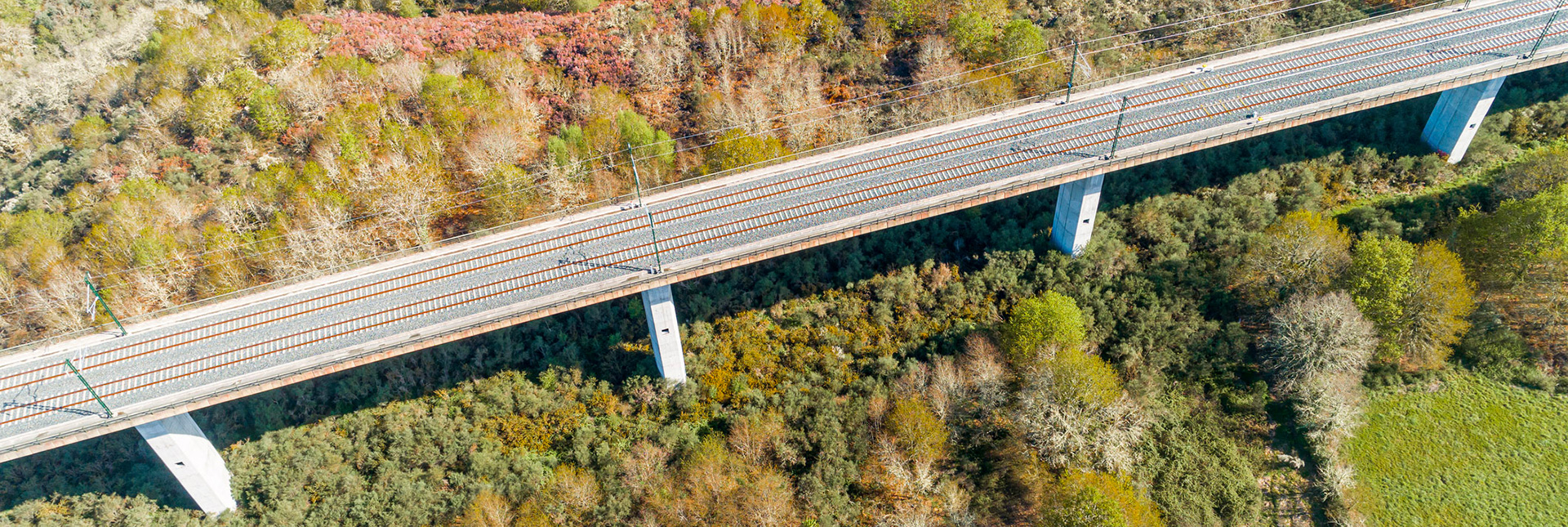
Although our high-speed rail network will be fully fenced, with no level crossings, there will still be safe ways to move around. Grade-separated crossings, such as overpasses and underpasses, will be built to allow people, vehicles, animals and equipment to cross safely.
From the earliest stages of the project, our teams have been working closely with municipalities, regional authorities, and emergency services to identify appropriate methodologies and mobility solutions. These discussions will continue as the project advances to help ensure local access is maintained and aligned with planning and development objectives.
Designing the network around community access
To limit impacts on daily movement, we are working with host communities to integrate Alto’s network into its surroundings. The project team is studying ways to:
- Provide safe crossings for vehicles, cyclists, and pedestrians through bridges, underpasses, or tunnels, according to local conditions.
- Install regular crossings in rural areas to support agricultural activities, including passages adapted to large farm machinery.
- Preserve access for emergency vehicles, ensuring response times and routes remain compliant with applicable safety and operational standards.
- Explore the potential use of Alto’s service roads along the corridor to support local circulation, where feasible and subject to further validation with partners.
All of these elements are being developed in close coordination with municipalities to ensure they reflect local needs and land use plans.
A proven approach, inspired by international experience
Alto’s approach builds on the experience of high-speed rail networks operating safely and successfully in Europe and Asia. Countries such as Japan, France, and Spain have shown that it is possible to combine fully separated, high-speed infrastructure with strong local connectivity by applying proven design standards and best practices. Alto is adapting these lessons to the Canadian context.
What comes next
As the project advances and the detailed alignment is defined, we will be able to provide more precise information on the number, location, and design of crossings, sector by sector. This work will continue in collaboration with local authorities and communities.
Additional details will be shared during the next phase of public consultations, planned for late 2026, which will focus on the central segment of the network between Montréal and Ottawa.
Share this blog post
Subscribe to the blog RSS feed