Published on February 19, 2026
Winter weather presents real challenges, but it’s nothing new for modern rail systems. Around the world, trains operate in conditions where snow, ice, and frigid temperatures are serious factors. Alto is planning with those realities in mind because that's the reality in Canada.
When temperatures plunge and the snow starts to pile up, reliable service will depend on preparation, precision, and teamwork. For a system designed to move trains at 300 km/h or more and serve millions of riders, winter operations are not just a technical requirement, they’re a commitment to the people who will rely on us every day. People need to get where they're going, and we are committed to getting them there on time while maintaining the highest safety standards, no matter the seasonal challenges.
But what do winter operations really entail on the ground? How will we keep things moving along and moving along smoothly?
Winter weather can put two essential elements of our electrified infrastructure to the test: the railway track and the catenary system. Understanding how each element is protected gives us a clearer picture of the resilience of high-speed rail and the standards we must meet to build this unique system in Canada.
We prepare for all eventualities by drawing on expertise and best practices recognized around the world to ensure we have the most effective systems in place to deal with all types of weather conditions.
1. Track Infrastructure: Keeping the Track Clear and Moving
Snow may be beautiful to look at through a train window, but too much accumulation on the tracks may interfere with train movement, hiding track hazards, or freezing components like switches. Maintaining clear, safe, and fully functional track infrastructure is the first line of defense during winter events.
Staying on Top of It: Snow Clearance and Ice Prevention
To ensure uninterrupted service, teams will deploy well‑established winter operations techniques, such as:
- Mechanical Snow Removal
Specialized rail snowplows and blower‑equipped machines will clear snow from the right‑of‑way, keeping the passage open. - Preventive Treatments
Anti‑icing products and sand could be applied to improve traction and reduce the likelihood of ice formation along the rail.
Keeping Things Moving: Switch Monitoring and Protection
To prevent switches from freezing and to ensure they continue to operate safely, a mix of heating and clearing technologies could be employed. For example:
- Thermal Blowers that direct warm air onto the switch points.
- Electrical or Gas Burners positioned beneath switches to melt accumulating frost.
- Compressed Air Systems designed to blast away snow or ice from moving components.
- Chemical De‑icing solutions, either manually or through automated nozzles.
Each system plays a role in keeping the network fluid, especially during rapid temperature fluctuations or heavy snowfall events.
Alto continues to evaluate best practices and solutions available internationally to identify the approaches best suited to the Canadian context. Any solution selected must meet high standards for performance, safety, environmental protection, and the preservation of farmland.
2. The Overhead Catenary System: Protecting the Power Supply
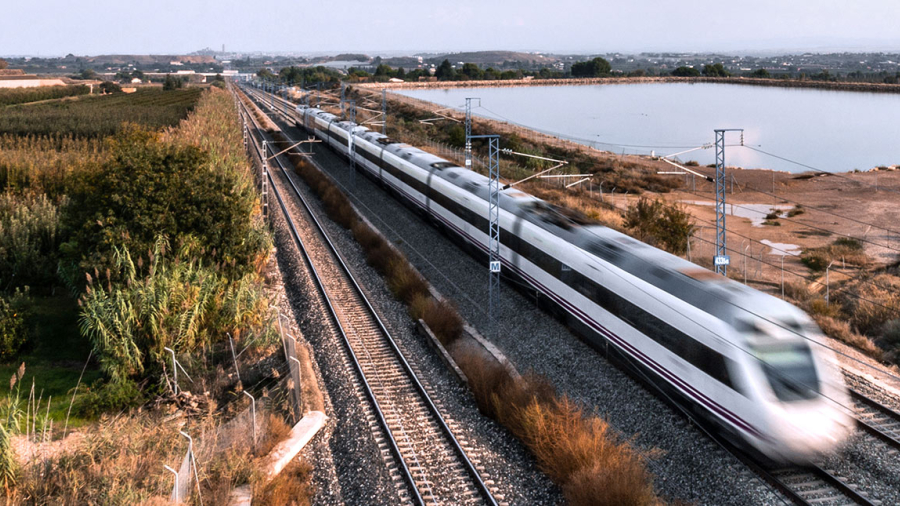
A catenary system is an overhead setup of wires that delivers electricity to electric trains through what's called a pantograph — a mechanical arm that touches the lower wire to draw power. The catenary system must remain clean and conductive for efficient and uninterrupted operation. Ice on overhead lines can interfere with electrical power delivery. Because Alto trains will run on nearly 1,000 km of electrified rail, closely monitoring the condition of the catenary in winter is essential.
Keeping the Electrified Lines Clear: Common Mitigation Measures
- De‑icing Trains
Trains or maintenance vehicles equipped with heated pantographs or spray systems help remove or prevent ice buildup. - Scraper Pantographs
These use abrasion pads to gently clear frost from the contact wire without damaging it. - Controlled Overload Heating
Short, carefully monitored bursts of high current will heat and de-ice the line. - Integrated Heating Wires
Dedicated heating elements can be installed along or near the catenary for critical sections. - Enhanced Monitoring Tools
Sensors, thermal cameras, and even drones can help quickly identify risk areas during weather events. - Preventive Train Runs
Running trains at scheduled intervals helps limit ice accumulation and keeps the system active.
A logistical challenge with a human solution
Winter operations are as much about people as they are about machinery. Responding to snow events requires 24/7 mobilization of technical teams, proactive weather tracking, and coordinated decision‑making. It’s as much about discipline and readiness as it is about having the right equipment.
We'll be ready for whatever winter throws our way, because every person here knows that building a high‑speed rail network in Canada means designing for reality—not just picture-perfect summer days. And even if our trains will run faster than the current ones in the country, diligent winter operations will ensure we can deliver something just as important as speed and time-savings: reliability, no matter the weather.
Share this blog post
Subscribe to the blog RSS feed