Published on March 31, 2026
Respecting the environment and communities is essential to the success of the Québec City–Toronto high-speed rail project. That’s why we will play an active role in the federal impact assessment process slated to begin in early 2027.
This process regulated by the Impact Assessment Act aims to analyze the potential effects of major infrastructure projects like Alto on natural and human environments. This is also an essential step in the project’s development, which will lead to the construction of the network’s first segment.
A participatory process
The Impact Assessment Agency of Canada, which oversees this process, analyzes the expected impacts of major projects on wildlife, waterways and other environmental aspects. The impact of nuisances on human health, including noise and vibration, will also be assessed.
That assessment provides an opportunity for residents and neighbouring Indigenous groups to access detailed information on anticipated impacts, provide feedback on mitigation measures, and be consulted throughout the projects.
This independent process includes additional consultation activities beyond those undertaken by developers like Alto. The public can follow this process through the Canadian Impact Assessment Registry.
Field studies already underway
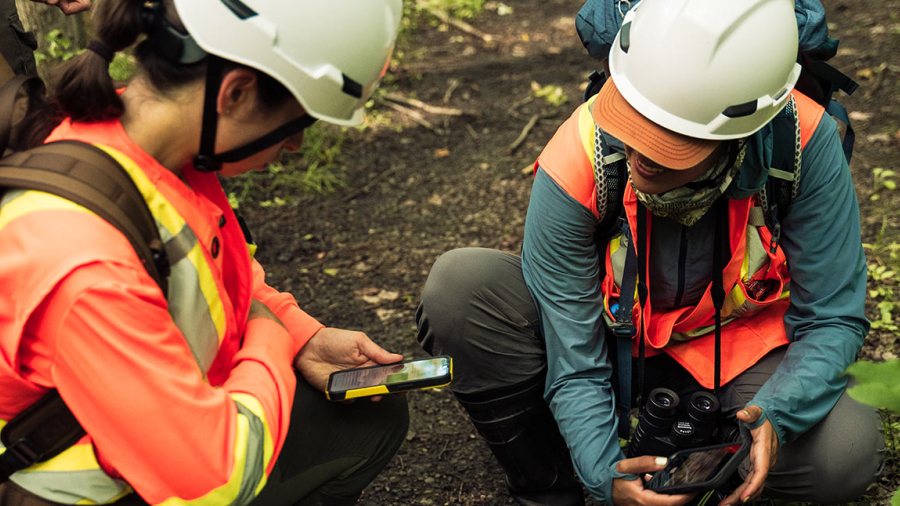
In preparation for this assessment, Alto has been conducting field studies across the corridor since 2020. In 2026, studies will focus on the first segment of the network, between Montréal and Ottawa. While the field studies are conducted over an expanded area to better understand the surrounding landscape, said area may not correspond to the future route’s location.
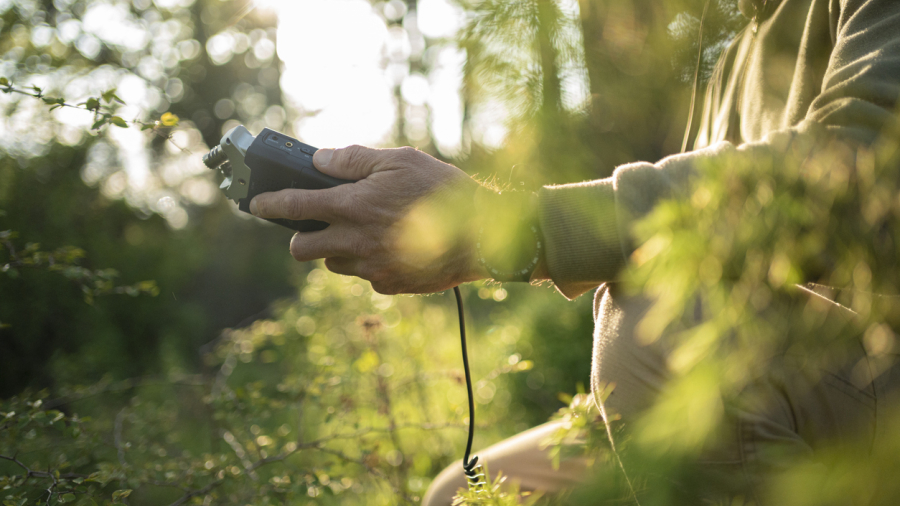
A team of biologists, engineers and other environmental specialists are collecting data on the territory where the high-speed rail network will be built. They are analyzing the state of the natural environment, wildlife, soil, waterways and social fabric. These teams’ mission consists in documenting baseline conditions to better understand the project’s potential impacts, and thus minimize them.
Is Alto requesting a permission to enter your property?
If Alto has contacted you to get your authorization to enter your property, it is generally to conduct a short-term, low-impact field study.
This doesn’t mean Alto is looking to acquire your property. The sites were selected to represent various settings along the study corridor, but do not reflect the project’s official route, which has not yet been determined.
You are free to accept or decline this request, as participation in field studies is entirely voluntary. Owners who give our teams access will be compensated.
A more precise corridor for the first segment of the Alto project will be presented by the end of the year based on the scientific data collected, technical analyses, Indigenous knowledge and feedback from ongoing public and Indigenous consultation activities.
Timeline of next steps
In progress: Public consultation on the study corridor
2026: Continued field studies, technical analyses and consultation data (Indigenous and public) analyses
End of 2026: Public consultation on a more precise corridor for the Montréal-Laval-Ottawa segment
Early 2027: Submission of the Initial Project Description to the Impact Assessment Agency
Want to learn more about the Alto project?
- Sign up for our newsletter
- Visit our online consultation platform
- Follow Alto on LinkedIn and Facebook
Share this blog post
Subscribe to the blog RSS feed