Published on March 2, 2026
When most people think about high-speed rail, they picture the finished product: sleek trains racing across the landscape, connecting cities, and changing how we travel. But before any of that can happen, there’s another story unfolding behind the scenes — how we secure the trains, technology, materials, and expertise needed to make it a reality.
Canada’s first-ever high-speed rail network, spanning close to 1,000 kilometres, is the largest infrastructure project in our country’s recent history — and big projects mean big preparation.
Bringing this vision to life will take more than ambition. It will require vast amounts of raw and transformed materials (we’re talking about millions of tons), a highly skilled workforce, and specialized technical expertise from across multiple sectors and countries. With so many moving parts, success depends on a procurement strategy that is thoughtful, methodical and built to manage real complexity.
At its core, that means understanding where Canadian suppliers are ready and able to take part, identifying where international expertise may be needed to close critical gaps, and working closely with industry to prepare the market for opportunities at a scale Canada hasn’t seen before.
Alongside our private partner Cadence, this work is now underway.
Getting Ready Before We Build
So, what does that preparation actually look like?
For a project of this magnitude, no single team or company has all the answers. That’s why we’re taking a phased approach to engaging the market, reaching out to both Canadian and global businesses with proven experience in designing, building and operating complex transit projects, including high-speed rail systems around the world.
Think of it as a two-way conversation. We’re sharing our vision and timelines, while listening carefully to industry insights about capacity, readiness and potential challenges, all before formal procurement begins.
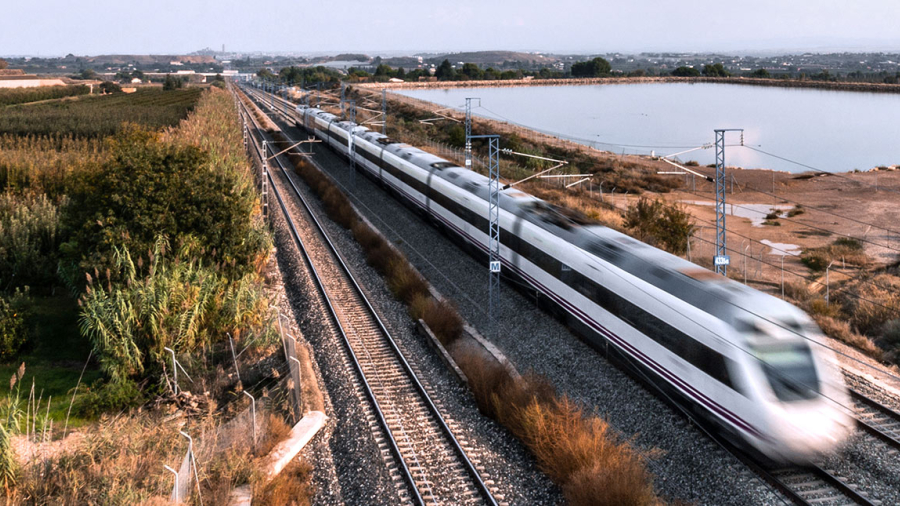
The first phase of market sounding currently underway focuses on engaging the companies who could help build the trains and technology for the project. This includes:
- Rolling stock — trains designed for Canada’s climate, with passenger comfort, accessibility, and durability in mind.
- Signaling and train control systems — the technology that will keep trains running safely and efficiently at 300 km/h or more.
The insights we gain from these conversations today will help us anticipate and address potential roadblocks, identify where additional support may be needed to encourage Canadian participation, and make sure companies are ready to seize the opportunities ahead. By doing this work upfront, we’re setting the foundation for a stronger, more competitive procurement process and ultimately, a high-speed rail network that better serves all Canadians.
Maximizing Canadian Participation
One of our biggest goals with this project is simple: we want it built by Canadians for Canadians as much as possible. And the good news? Canada already has a lot of what it takes, from abundant raw materials and skilled talent to a manufacturing edge that puts Canadian companies in a strong position to lead.
Making that goal a reality starts with early conversations with the market. By talking to companies now, before formal procurement begins, we’re giving Canadian businesses the time and insight they need to:
- Understand what’s needed so they can participate confidently.
- Build partnerships, including with international partners, to strengthen their bids.
- Invest in growth, whether that’s new equipment, more production capacity, or training workers to meet the project’s requirements.
What’s Next?
The work on rolling stock and signals is just the beginning.
Over the coming months, Alto and Cadence will be talking to businesses about other major components of the project and how they can get involved in the exciting opportunities ahead.
Stay tuned!
Learn about Alto's procurement process for the construction and operation phases.
Share this blog post
Subscribe to the blog RSS feed