Published on June 8, 2026
Updated on September 14, 2026
Designing and delivering Canada’s first high-speed rail network requires thoughtful leadership and long-term relationships with Indigenous communities along the corridor. This means engaging early and ensuring perspectives shared by Indigenous communities meaningfully inform how the project is planned and carried forward.
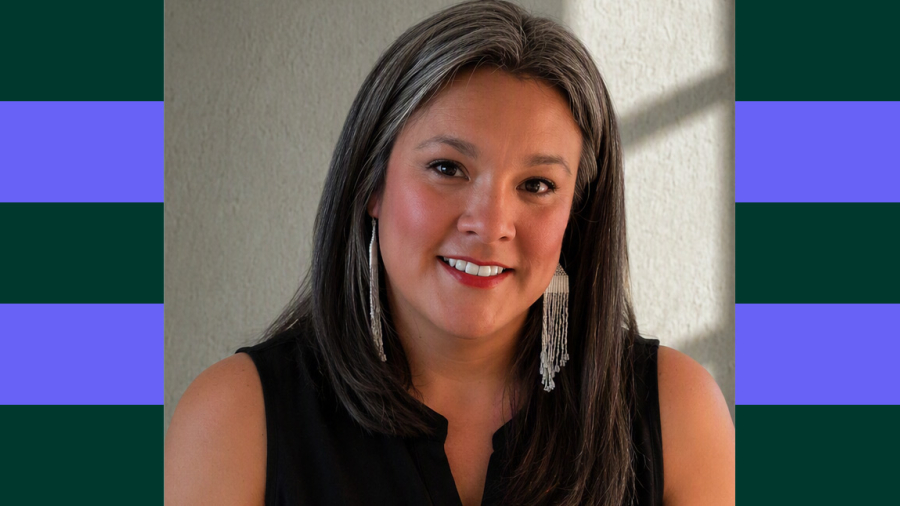
Meet Danielle, Vice President, Indigenous Relations at Alto.
With decades of experience in Indigenous relations and major project delivery, Danielle leads Alto’s work with Indigenous communities and helps ensure their knowledge, expertise, and perspectives are incorporated into the project as it progresses. Her role is focused on making sure what is heard from communities is brought into project planning and decision-making. She also works to support how the project can contribute to longer-term benefits for communities impacted by it.
Through her work, Danielle supports a meaningful, collaborative approach to engagement with those communities, one that reflects a commitment to working together over time and moving beyond consultation toward meaningful participation in the project.
Hi, Danielle. To start, could you tell us a bit about what drew you to Alto?
What drew me to Alto was the opportunity to help shape a project that is both nation-building and relationship-building at the same time. Canada is at a moment where major infrastructure and development increasingly depend on Indigenous partnerships. For me, working on a project like Alto is a chance to move beyond consultation toward real participation. I have more than 25 years of experience in the public service, I’ve worked on complex files related to Indigenous economic participation, reconciliation, and major projects. Given my background, it felt like a unique and important moment to contribute.
And how would you describe your role in a nutshell?
My role is really about making sure people are heard before big decisions are made. Alto is building a project across many communities and ancestral territories, so my team works closely with Indigenous communities and organizations to understand their priorities, concerns, and perspectives.
A big part of my role is relationship-building, but it’s also about taking what we’re hearing and bringing that into the project’s decision-making. We connect those insights to engineers, planners, and project teams so that we’re co-developing and co-designing together.
I also help lay the foundation by ensuring that the duty to consult—and, where appropriate, accommodate—is done well.
What does Indigenous relations mean at Alto, and what does it not mean?
Indigenous relations means building respectful, long-term relationships. It means listening early, sharing information transparently, and creating space for Nations to inform decisions in a meaningful way. It’s also about making sure the project delivers lasting benefits for those Nations.
What it does not mean is checking a box at the end or consulting only when you need approval. It’s not transactional. It’s about two-way dialogue, being present consistently—not just at key milestones—and building trust over time. That’s really the essence of it.
Advancing reconciliation is a stated project outcome. Where do you see Alto having a unique opportunity to do things differently?
Advancing reconciliation takes on a unique significance in the context of a federal project like Alto. We act as part of the Crown, while also serving as the project proponent alongside our private developer partner, Cadence. We are a unique project, in a unique position.
I believe that Alto can set a strong example across the country for how we work in partnership with Indigenous communities. It’s about going beyond minimum requirements and working together to advance reconciliation in a way that is reflected in the project.
Can you describe the difference between Indigenous consultation and engagement?
Consultation is a formal and specific process. The Crown’s duty to consult is a constitutional obligation that requires engagement with Indigenous peoples when a proposed action may affect their Aboriginal or Treaty rights. Alto carries out consultation-related activities on behalf of the Crown as the project proponent.
In practice, consultation means providing timely and sufficient information, creating opportunities for meaningful two-way dialogue, and considering Indigenous perspectives in project planning and decision-making. The process must be carried out in good faith and in a manner proportionate to potential impacts and may include measures to address or accommodate those impacts, where appropriate.
Engagement refers to a broad range of activities that sit alongside consultation but are not driven by regulatory requirements. It includes regular communication, meeting with communities to understand their priorities, concerns, and perspectives, and having ongoing discussions about the project as it evolves. This is where Alto connects directly with communities, shares information, and hears how the project may affect them. It’s also where opportunities for collaboration and partnership are identified. Engagement is ongoing and relationship-driven, and it continues throughout the life of the project.
This is a big year for us. We’re shifting from early conversations into more structured, consultation as the project evolves, including a second phase of consultation on the refined corridor alignment, while continuing to work closely with Indigenous communities and businesses to advance socio-economic participation.
We’ve completed the first phase of consultation, which looked at the study corridor, and are now moving towards consultation on the refined alignment. At this stage, we will be sharing more precise corridors with communities so that they can provide input on potential impacts, areas of collaboration, priorities, and concerns. This work will help inform the eventual alignment of the route.
Over the summer, we’ll focus on socio-economic opportunities, like training, procurement, and employment. In the fall, we’ll begin discussions on Indigenous design, working with communities, Knowledge Keepers, Elders, and advisors to explore how these elements can be integrated into station design and across the network.
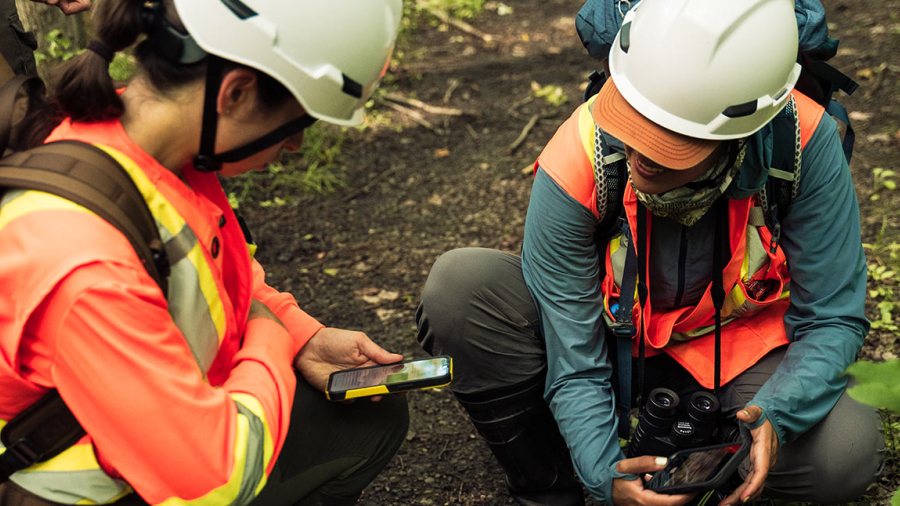
In parallel, we’re advancing work on traditional land use studies, field studies, and the development of an archaeology protocol that is co-designed with First Nations.
Lastly, what gives you the most confidence about how the project is unfolding?
For me, it really comes down to leadership—both within Alto and in-communities. There’s a clear vision for the project, and people are responding to that. I’m seeing strong leadership in communities, where people recognize opportunities for their youth and for long-term economic participation.
Our approach also gives me confidence. We’re engaging early, before we have all the answers, and we’ve been open about that. Communities have been surprised that we have engaged and consulted so early and are encouraged by Alto’s willingness to co-develop at this relatively early stage. There’s a real openness to doing things differently, and that helps build momentum and trust over time.
Thank you for your time, Danielle.
Share this blog post
Subscribe to the blog RSS feed