Published on June 18, 2026
Every comment, question, and perspective shared during consultation contributes to a broader picture—one that is documented through Alto’s What We Heard reports. These public documents summarize the key themes raised through consultation activities with stakeholders, the public and Indigenous communities.
In June 2026, Alto published two What We Heard reports: one focused on feedback received over the course of the first round of public consultation (January to April 2026), and another that summarizes and reflects input gathered through consultation with Indigenous communities (October 2025 to June 2026). Let’s take a closer look at each.
What We Heard: January-April 2026 public consultation
Our first public consultation engaged the population early in the project’s design process and focused on the high-speed rail study corridor, a broad area of land approximately 10km wide stretching between Toronto and Québec City used in the planning stages to explore the best route.
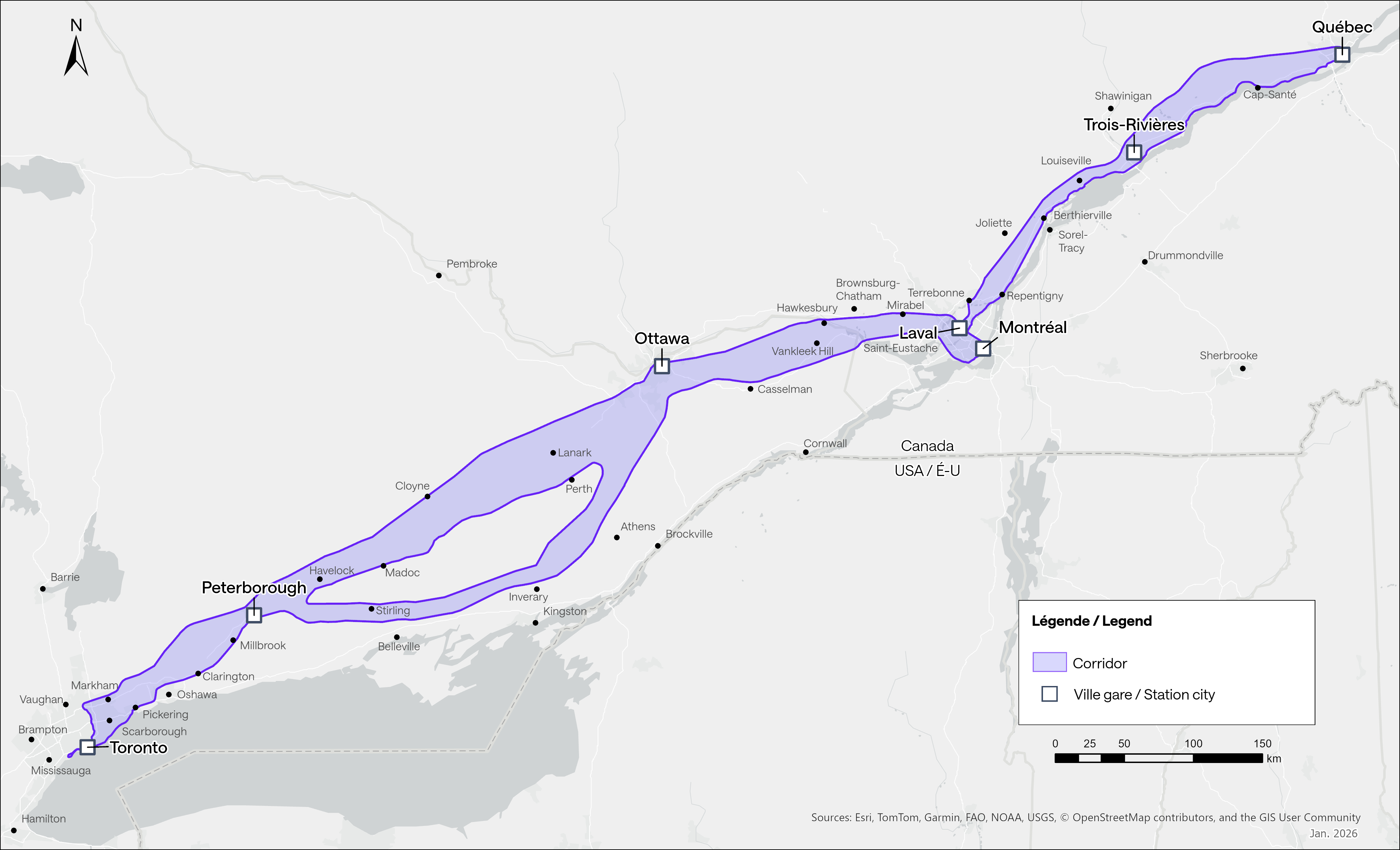
We reached out at an early stage, before defining an alignment, to ensure that input from residents, municipalities, Indigenous communities, and organizations would help inform analyses and decision-making as the project advances.
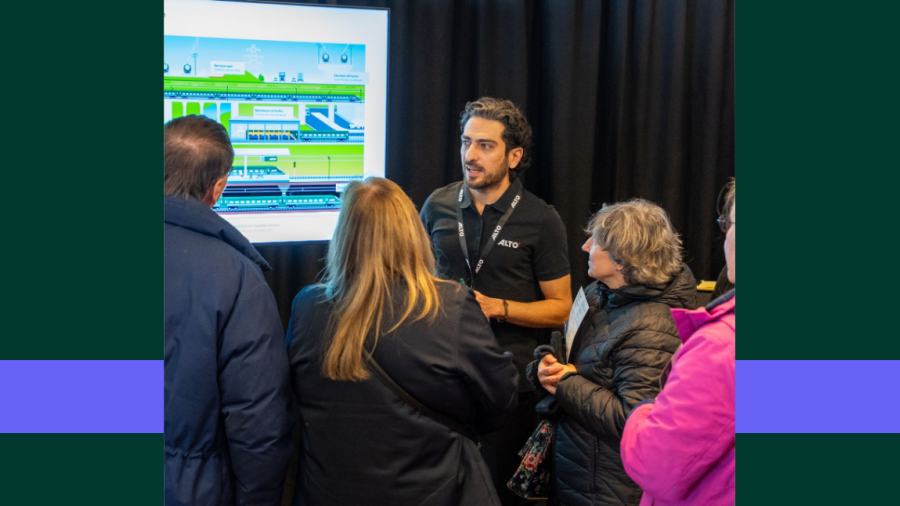
Participation was maximized through an online portal, in-person open houses, thematic roundtables, and virtual sessions, all offered in both official languages with accessibility features available.
Over the course of 100 days, Canadians were invited to learn more about our project, ask questions, voice concerns, and provide feedback—and they delivered! Across this extensive engagement, 22 key themes emerged consistently throughout the corridor. These included cost and timeline, environmental considerations, housing and transit-oriented development, land acquisition, and resources and procurement, among others. With comments numbering in the tens of thousands, our call for input was robustly answered.
What We Heard: Indigenous communities
Alto’s consultations with Indigenous communities reflect a commitment to recognizing and respecting their unique rights, interests, and relationships to the land. These consultation activities are ongoing and aim to support meaningful and respectful two-way dialogue and reflect how each community chooses to participate and provide input.
The report covers consultation and engagement with Indigenous communities related to the study corridor, conducted between October 2025 and April 2026 as part of the broader, ongoing consultation process. Like the public What We Heard report, it focuses on input gathered during the corridor refinement exercise.
The process included information-sharing sessions in communities and provided opportunities for participants to provide written and verbal input and share their knowledge, expertise, and perspectives.
Indigenous communities raised a broad range of interests and concerns. Topics covered land claims, cultural heritage, impacts on farming, protection of environment and opportunities for restoration, among others. Once the report was drafted, communities were invited to validate how their feedback was captured prior to publication.
Consultation with Indigenous communities is ongoing and will continue throughout all stages of the project.
What to expect in a What We Heard report
What it is and what it includes
- A factual and balanced snapshot of the main themes, questions, and concerns raised during consultation
- A thematic synthesis, drawn from a large volume of input across multiple engagement channels
- A transparency and accountability tool, demonstrating that feedback was listened to and documented
- An input into decision‑making, considered alongside technical, environmental, financial, and policy analyses
What it is not
- Not a verbatim or exhaustive list of every comment received
- Not a referendum or a decision‑making vote
- Not a commitment to implement every suggestion
- Not a document of final decisions or trade‑off arbitration
What will Alto do with the information gathered?
The tremendous amount of feedback received has been reviewed, organized, and compiled into our What We Heard reports, which can be found on our website.
This valuable input will be used to help inform important decisions regarding refining the corridor towards an eventual route as well as train station locations. Feedback will also be used to guide efforts to minimize potential project impacts, promote inclusivity, and strengthen local benefits.
What’s next?
The conversations initiated through our public consultation activities will continue as Alto advances the project in partnership with Indigenous communities, municipalities, and public institutions. Each phase of the project will be guided by a commitment to reconciliation, lasting community benefits, and sustainability, and will consider the diverse realities of both rural and urban communities, including property owners and farmers.
Alto will continue to engage the public in order to gather input and feedback. The next phase of consultation will take place in fall 2026 and will present a narrowed corridor for the central segment between Ottawa and Montréal. The public consultation for both the western and eastern segments of the project will follow and are set to take place in 2027.
Share this blog post
Subscribe to the blog RSS feed