Published on December 9, 2025
Every kilometre of high-speed rail begins with listening. That’s what we say here at Alto, and it’s what we believe. But what does listening truly mean in the context of an infrastructure project of this scale in Canada? And how does it apply to our engagement commitments with Indigenous communities?
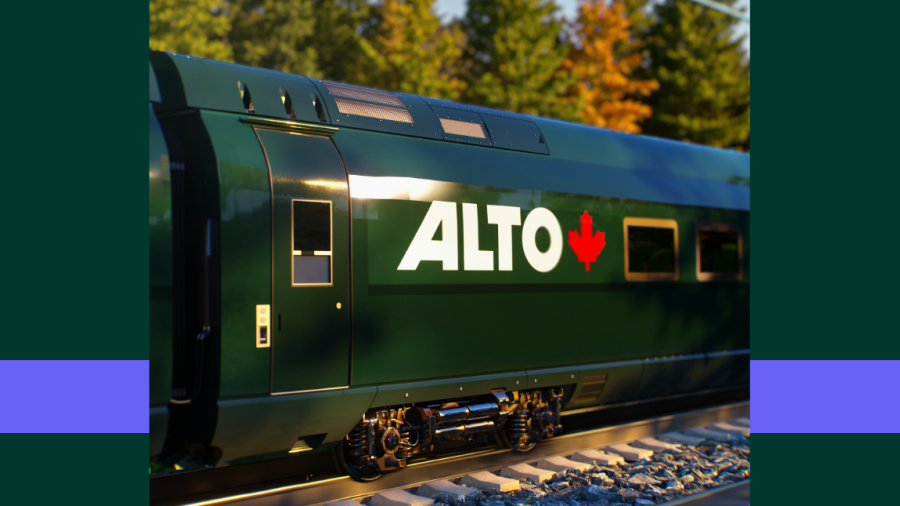
We’re building nearly 1,000 km of electrified rail spanning two provinces, and, importantly, ancestral territories and Treaty lands. Our trains will move at speeds of 300 km/h or more, providing environmentally sound, fast, and reliable service to millions of riders. The High-Speed Rail Network will transform how people travel—connecting communities and creating new possibilities for work, family, and culture.
Progress of this magnitude carries responsibility. Listening means engaging meaningfully with Indigenous communities and the public. It means hearing and responding to ideas, questions, and concerns. It also means recognizing that this project will cross lands with deep histories and communities whose voices must help shape what we collectively build.
Indigenous communities, organizations, and institutions have been and will be engaged at every step, guided by our four strategic pillars:
- Building meaningful relationships with Indigenous communities, organizations, and institutions.
- Fulfilling the constitutional duty to consult, and, where appropriate, accommodate, with the aim of securing free, prior, and informed consent.
- Creating mutually beneficial socio-economic opportunities with Indigenous Peoples and communities, including procurement and employment related to the network.
- Ensuring Financial and Legacy Participation by developing co-designed proposals that promote economic benefits and the long-term participation of Indigenous communities.
The Duty to Consult and why it matters
Reconciliation with Indigenous Peoples is a priority for the Government of Canada. As the Crown corporation leading the development, implementation, and oversight of the project on behalf of the Government of Canada, we must uphold the Crown’s constitutional duty to consult and, where appropriate, accommodate, Indigenous Peoples. Indigenous Consultation is not simply part of public engagement, it is a distinct process, foundational to trust and mutually beneficial outcomes. It requires meaningful involvement before decisions are made, ensuring the rights and interests of Indigenous communities are duly considered.
Fulfilling this duty, in part, entails ensuring Indigenous communities receive sufficient information, time, and resources needed to analyze, respond, and see their feedback reflected in project decisions where possible. From the beginning, we recognized the historic significance of the project and the responsibility to advance reconciliation in a meaningful way. We committed to making Indigenous participation a core part of our work and to building strong partnerships with communities to create lasting benefits for generations to come. That commitment is now embedded into the heart of our operations and is a guiding principle in every stage of our planning and execution.
Our approach is grounded in early and ongoing engagement and guided by the principles of the United Nations Declaration on the Rights of Indigenous Peoples (UN Declaration). We are committed to engaging in meaningful consultations with the aim of securing the Free, Prior, and Informed Consent (FPIC), of potentially impacted communities. We are also committed to building respectful relationships, and ensuring Indigenous communities benefit through access to jobs, training, and long-term economic prosperity.
Alto, alongside the Government of Canada, is committed to reconciliation, and is making it a key priority. This commitment is grounded in the principles of engaging early and meaningfully, through constructive dialogue and nation-to-nation relationships with Indigenous peoples.
What listening looks like in practice
We have worked in partnership with Indigenous communities, organizations, and institutions to co-develop pathways for participation across all phases of the project. Before Alto was widely known, we began outreach to Indigenous communities, organizations, and institutions. These conversations focused on introducing the project, building relationships, and exploring business and funding opportunities.
We introduced collaboration agreements to establish ways of working together, ensuring engagement remains a two-way dialogue tailored to each community’s priorities.
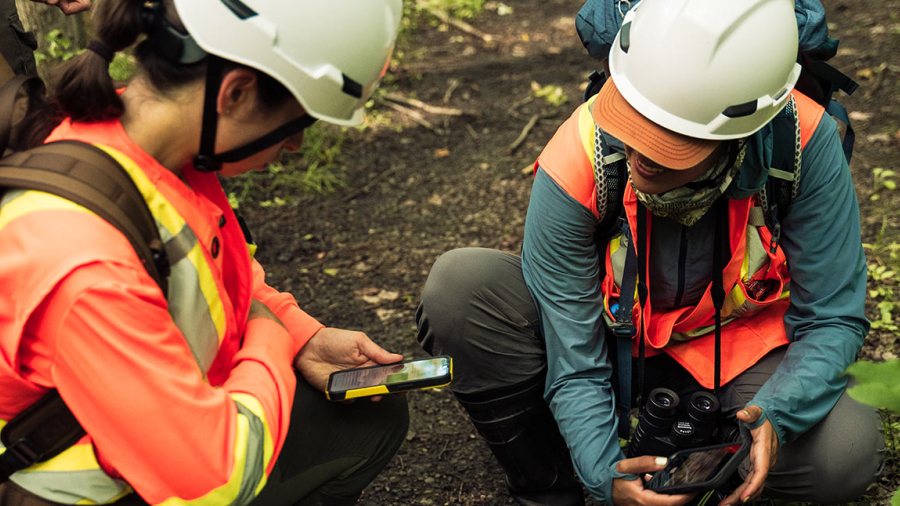
Internally, we’ve created an Indigenous Consultation Working Group, advisory councils, and key leadership roles within our governance structure. We are co-designing workplans with individual communities and developing Indigenous-specific engagement tools with Indigenous-led design firms. We have sought, and continue to seek, Indigenous participation in environmental field studies.
Looking ahead
Moving into the next phase of the project, we will continue to meet with Indigenous communities. Through the Impact Assessment process, we plan to work closely with Indigenous leaders and Knowledge Keepers to collect crucial information on ancestral land use and sites of cultural significance. This input will inform environmental, cultural, and technical assessments—critical analyses that will help shape the network.
Looking ahead, we’ll work with Indigenous communities, designers, and artists to reflect Indigenous cultures, histories, and relationships with the land within stations. We will also collaborate with Indigenous institutions to identify labour needs and opportunities across construction, operations, and maintenance, creating pathways for financial and legacy participation and ensuring long-term economic benefits for Indigenous Peoples.
Training and education initiatives to support Indigenous youth, address employment barriers, and help build a skilled workforce are also being contemplated.
Building with history in mind
Each step is part of a longer journey toward reconciliation. Our focus is on doing things right—learning from history and committing to meaningful engagement. Without Indigenous participation, this project would fall short of what Canada needs today: infrastructure that reflects and respects all peoples.
When this network is up and running, it will reflect Indigenous input, expertise, and participation. Building that future starts with listening—with openness, respect, and a commitment to understanding the histories and relationships that shape these lands.
The Alto High-Speed Rail Network will move Canadians like never before. Between now and then, there is important work to do—and a lot of listening—over every kilometre.
Learn more about Alto’s reconciliation and partnership journey.
Share this blog post
Subscribe to the blog RSS feed