Published on April 2, 2026
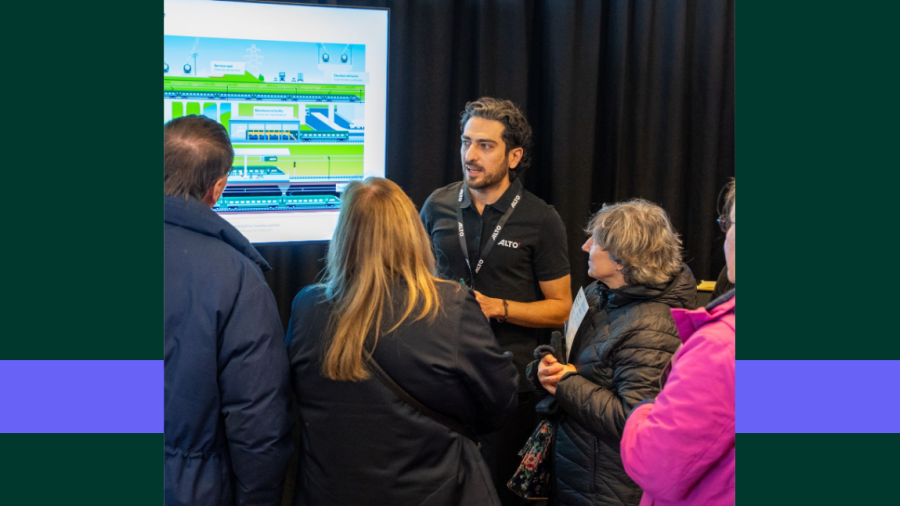
Alto’s public consultation is already entering its third month of activities. Since the launch of this process, we have had the opportunity to engage with more than 10,000 people through events held in over 20 municipalities across Quebec and Ontario. Residents have also taken part in virtual information sessions (more than 1,600 participants) and visited the online consultation platform (over 265,000 visits) to learn more about the country’s largest infrastructure projects of the past several decades and share their feedback. This strong participation reflects the high level of interest and engagement generated by the project.
Once again, this week, we revisit some of the most frequently asked questions raised during our public consultation activities.
When will Alto’s environmental field studies take place, and what will they examine?
The field studies planned for 2026 build on work carried out over the past several years. They will take place in the central segment of the corridor under study, between Ottawa and Montréal, to better document existing environmental conditions. The sites studied do not correspond to the project’s final alignment, which has not yet been determined.
These studies may include wildlife and vegetation surveys, soil sampling, acoustic measurements, as well as analyses of waterways and wetlands. They are carried out by qualified professionals, using recognized methods and in compliance with applicable regulatory requirements. The data collected will help anticipate potential impacts and define measures to avoid, reduce, or offset them.
Alto will seek the voluntary collaboration of certain property owners to access private land for data collection. Financial compensation is offered to participating owners, and no field work is conducted without authorization.
Until when can I participate in the public consultation, and what happens next?
The online consultation is open until April 24, 2026. Until then, members of the public are invited to visit the online consultation platform to learn more about the project and share their feedback through the survey, the interactive map, or by submitting a brief or written submission.
The consultation process spans a total of 100 days. In the coming months, Alto will publish a public consultation report summarizing the process, the discussions held, and the feedback received. All questions and comments will be taken into account as part of the ongoing analyses.
A new round of public consultation is also planned for the fall, focusing on a more defined corridor within the central segment of the future high-speed rail network between Ottawa and Montréal.
Subscribe to Alto’s newsletter to stay informed about the next steps.
If my property is required for the project, what kind of compensation can I expect?
When land or property rights are required for the project, Alto first seeks to reach negotiated agreements with the involved property owners. The goal is to conduct open and fair discussions and provide fair compensation based on the market value of the property to be acquired. This compensation also aims to cover losses and reasonable expenses incurred by the owner, including consultation costs.
Each situation is assessed on a case-by-case basis, taking into account the specific circumstances of each property.
If a negotiated agreement cannot be reached and expropriation becomes necessary, the process would be governed by the federal Expropriation Act, which sets out the applicable compensation framework. Alto remains committed to minimizing impacts on property owners and maintaining a respectful dialogue throughout the process.
Does Bill C15 change my rights if my property is subject to expropriation?
Alto will prioritize negotiated agreements with property owners when land is required for the project. Expropriation remains an option that would be used responsibly and appropriately only when necessary.
Bill C15, which received Royal Assent on March 26, 2026, enacted the High-Speed Rail Network Act. This legislation aims to streamline and to improve the property acquisition process without limiting citizens’ rights. For example, the right of preemption does not prevent a property owner from selling their property on the open market, and work restrictions do not prevent necessary maintenance. In addition, the right to challenge an expropriation remains fully in force, including through the submission of a written objection that must be reviewed before any decision is made.
The legislation does not call into question the importance of public consultations or environmental assessments, which remain essential to the project’s development.
Could the service roads planned along the corridor also be used by pedestrians and cyclists?
We recognize the importance of local connectivity and active transportation for communities along the future rail corridor. The potential use of certain service roads by pedestrians or cyclists will therefore be assessed on a case-by-case basis.
This assessment will take into account several factors, including rail safety requirements, technical and regulatory constraints, the specific characteristics of each section of the corridor, and the interest expressed by municipalities and communities through consultations.
These questions will be examined in greater detail as the project evolves and as discussions with local communities continue, to identify opportunities to better integrate the project into surrounding communities.
Let’s keep the conversation going
Every question, comment, or concern helps enrich the discussion surrounding the project. Alto remains attentive and committed to sharing clear, accessible, and up to date information as the work progresses.
The conversation continues on the Alto blog and on our online consultation platform, where we invite you to make your voice heard until April 24, 2026.
Share this blog post
Subscribe to the blog RSS feed