
Published on November 3, 2025
Getting from Montréal to Toronto in about three hours — that’s the promise.
Canada’s first high-speed rail project will connect the country’s busiest corridor – from Toronto through Peterborough, Ottawa, Montréal, Laval, Trois-Rivières, and Québec City, cutting travel times nearly in half. The project brings together speed, reliability, and sustainability to make travel between major cities more efficient.
This blog explains what high-speed rail is, why it matters now, and how it could shape Canada’s future transportation network.
What is High-Speed Rail?
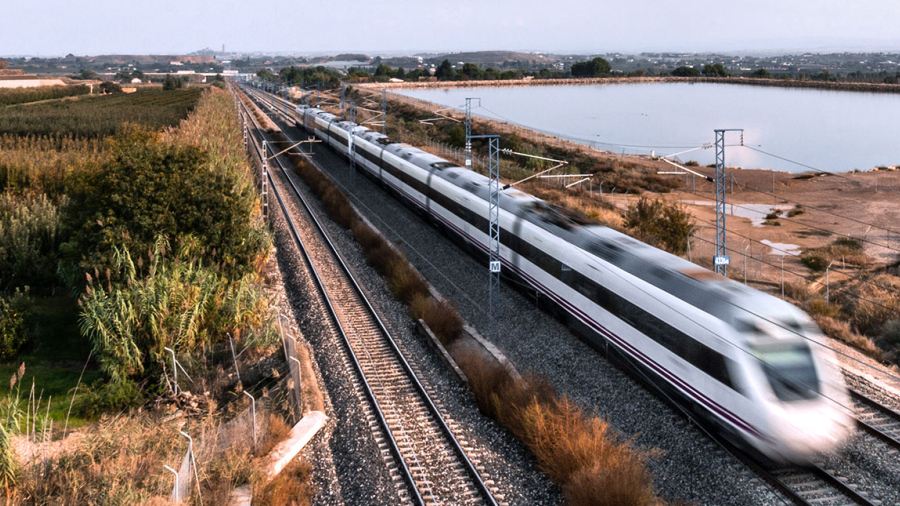
High-speed rail refers to passenger trains that run at speeds of 250 to 300km/h or more on dedicated electrified tracks. By separating these trains from freight and slower passenger services, the system avoids congestion and maintains consistent, reliable schedules.
For instance, in France, the TGV South-East axis, operated by SNCF Voyageurs, has a ridership of about 40 million passengers per year, with a punctuality rate of more than 90%. Alto is looking to offer the same reliability while eventually moving a comparable number of passengers.
The strength of the Canadian proposal lies in this promise to cut travel time between the cities in half. A journey that takes 5 to 6 hours by car could be completed in about 3 hours on a high-speed train.
Why Now — and Why Canada
Canada’s population is growing rapidly, and so the demand for efficient sustainable travel between urban centers. By 2041, 21 million people will live in the Toronto–Québec City corridor — a 28% increase from today.
Building high-speed rail now means investing in a transportation network that can support that growth:
- Creating jobs and economic growth: an estimated 51,000 jobs during construction, with thousands more once service begins.
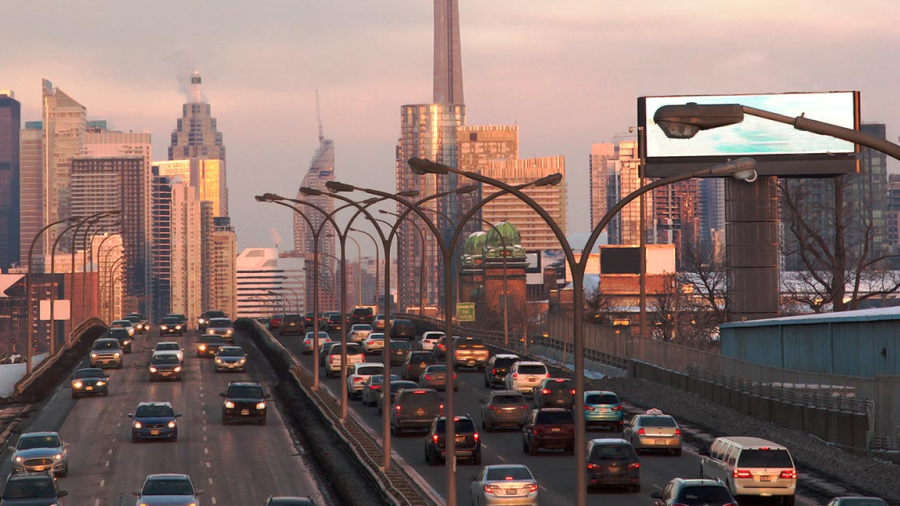
- Easing pressure on highways and airports: fewer short-haul flights and less congestion could save Canadians an estimated $570million in travel efficiency.
- Reducing emissions: millions of car trips and flights shifted to a clean, electrified rail system.
A Day in the Life: How It Works
High-speed rail will serve a wider range of travellers.
A student could board in Ottawa and arrive in Montreal in about one hour, using the time to study or work. A business owner might travel from Toronto to Ottawa for meetings and return the same day. International travellers could explore Québec City’s historic centre without the need for connecting flights or lengthy drives.
Globally, high-speed rail has shown that faster, more reliable connections strengthen regional economies and make travel more accessible for everyone.
Myths & Realities
Isn’t flying faster?
Not when you factor in airport security, boarding, and travel time to the airport. High-speed rail competes directly with air travel under 1,000 km.
Is it safe?
Global high-speed rail systems boast one of the best safety records of any intercity transport mode.
Will it be affordable?
The objective is to set fares that are competitive and affordable for a wide range of passengers, while ensuring the best possible travel experience.
Our ambition: Transforming Canada
High-speed rail isn’t just about trains. It’s about reimagining how we live, work, and connect across regions. With our team at the helm, Canada is ready to write the next chapter in sustainable mobility.
Be Part of Canada’s High-Speed Rail Future
Here’s how you can get involved:
- Join our newsletter for updates and insights.
- Follow Alto on LinkedIn and Facebook for project milestones.
Share this blog post
Subscribe to the blog RSS feed