Published on June 8, 2026
Designing and planning a high-speed rail network is intricate and detailed work. At Alto, we understand that a project of this scale must include rightsholders from the start.
Our trains will connect cities, towns, agricultural land, and First Nations ancestral territories and communities. Each region the train will serve is unique; each community, each town must be treated with respect, and according to their own needs.
Alto’s approach to Indigenous relations is built on meaningful dialogue that reflects the priorities of each community. In practice, that means ongoing engagement, consultation, and support, as well as creating space for Indigenous perspectives to inform how the project moves forward.
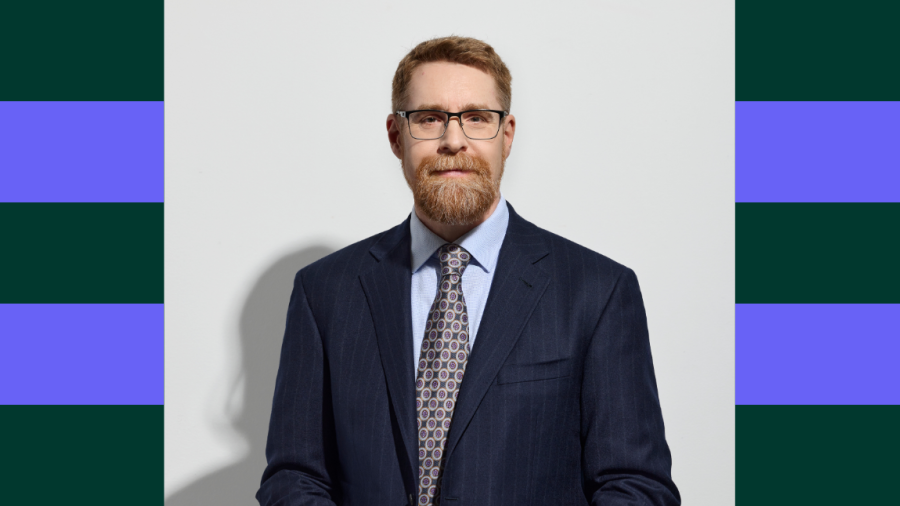
Meet Nathan Wright, Director of Indigenous Engagement, Ontario at Alto
To ensure that our efforts are meaningful and fruitful, we were looking for someone who has experience working directly with First Nation leadership and communities across Canada, and a unique perspective and understanding grounded in that work. Enter Nathan Wright.
Nathan’s career has included time as Chief Operating Officer at the Chiefs of Ontario (a secretariat that supports First Nations in Ontario in collective decision-making, action, and advocacy) as well as a tenure as Interim CEO at Six Nations of the Grand River, where he grew up. Six Nations of the Grand River is the largest and most populous First Nation in Canada.
At the helm of Alto’s Indigenous engagement in Ontario, Nathan is recognized by his peers not only for the strong ties he has to First Nations in Canada, but also for his commitment to doing work that matters. Nathan always ensure that Indigenous voices are heard and reflected in how the project is developed as we move forward.
I joined Alto to help bridge meaningful relationships between Indigenous communities and partners through innovative, community-led approaches. My career so far has deepened my appreciation for the power and influence of community-led leadership and underscored how regional collaboration can drive meaningful change.
Strong relationships are built over time, through consistency and trust. In Ontario, Nathan leads this meaningful and important work. We wanted to hear more about what he accomplishes every day, so we asked!
What does a typical day look like for you?
As Director of Engagement, I oversee a team of five relationship managers, each responsible for working with identified communities. They maintain a regular cadence of weekly meetings with communities, where we share project information such as potential alignment, impact assessments, socio-economic benefits, and financial participation opportunities. We work with communities to build strong relationships and begin consulting on how the project might impact their rights.
How have communities responded so far?
The response from the communities we’re working with in Ontario has been positive and supportive. That’s not to say there aren’t concerns. Communities are clear about identifying impacts of the project to their ancestral lands and territories. They are helpful in identifying where the risks are and what the obstacles might be so that we can overcome them together. At the same time, there is interest in the opportunities the project may create, including participation in economic development and workforce initiatives.
What challenges do you foresee for your team in the coming months?
The biggest challenge will be ensuring that Indigenous perspectives are integrated into every stage of project development. Building trust and maintaining momentum across diverse partners will require thoughtful and consistent engagement.
What are you most focused on right now?
The focus right now is ensuring that the project is fully understood from start to finish in terms of what the impacts will be between now and the start of construction. We’re working across Treaty and ancestral territories, and areas with existing or potential land claims. These are technical and high-level discussions, so we need to move at a careful and predictable pace while working with communities on what those alignments may be going forward. It’s also about ensuring that we share information with communities in a timely way, so they can provide input as the project moves forward.
Are there additional Indigenous communities you’re looking to engage?
What’s important going forward, especially into the summer, is that the urban Indigenous people also have updates on the project. It’s going to be important that they receive information on the socio-economic benefits and ways to participate. As the project moves forward, we will be looking to the Indigenous citizenry to assist with the jobs that are going to need to be filled.
What are you most proud of in your career—and what keeps you motivated?
I take immense pride in empowering First Nation leaders to drive their own development initiatives and watching as their efforts lead to tangible, lasting change in their Nations. Supporting these strong leaders who embody community values and aspirations continues to be profoundly rewarding for me.
With National Indigenous Peoples Day on June 21 approaching, what does this day mean to you?
It is a day to recognize and celebrate the heritage and contributions of First Nations, Inuit, and Métis peoples in Canada, and honour their culture, resilience, and achievements. The date coincides with the summer solstice, the longest day of the year, which holds deep spiritual and cultural significance for many Indigenous Nations. It is a time to honour the sun, celebrate renewal and life, and gather in ceremony to connect with community, culture, and the natural world.
Share this blog post
Subscribe to the blog RSS feed